Sleep Apnea & Snoring Treatment in Pointe-Claire
Sleep better. Breathe better. Discover whether a custom oral appliance may be right for you.
If you have been diagnosed with mild to moderate obstructive sleep apnea (OSA), have difficulty tolerating CPAP, or are concerned about persistent snoring and possible sleep apnea, we can help you explore your next steps.
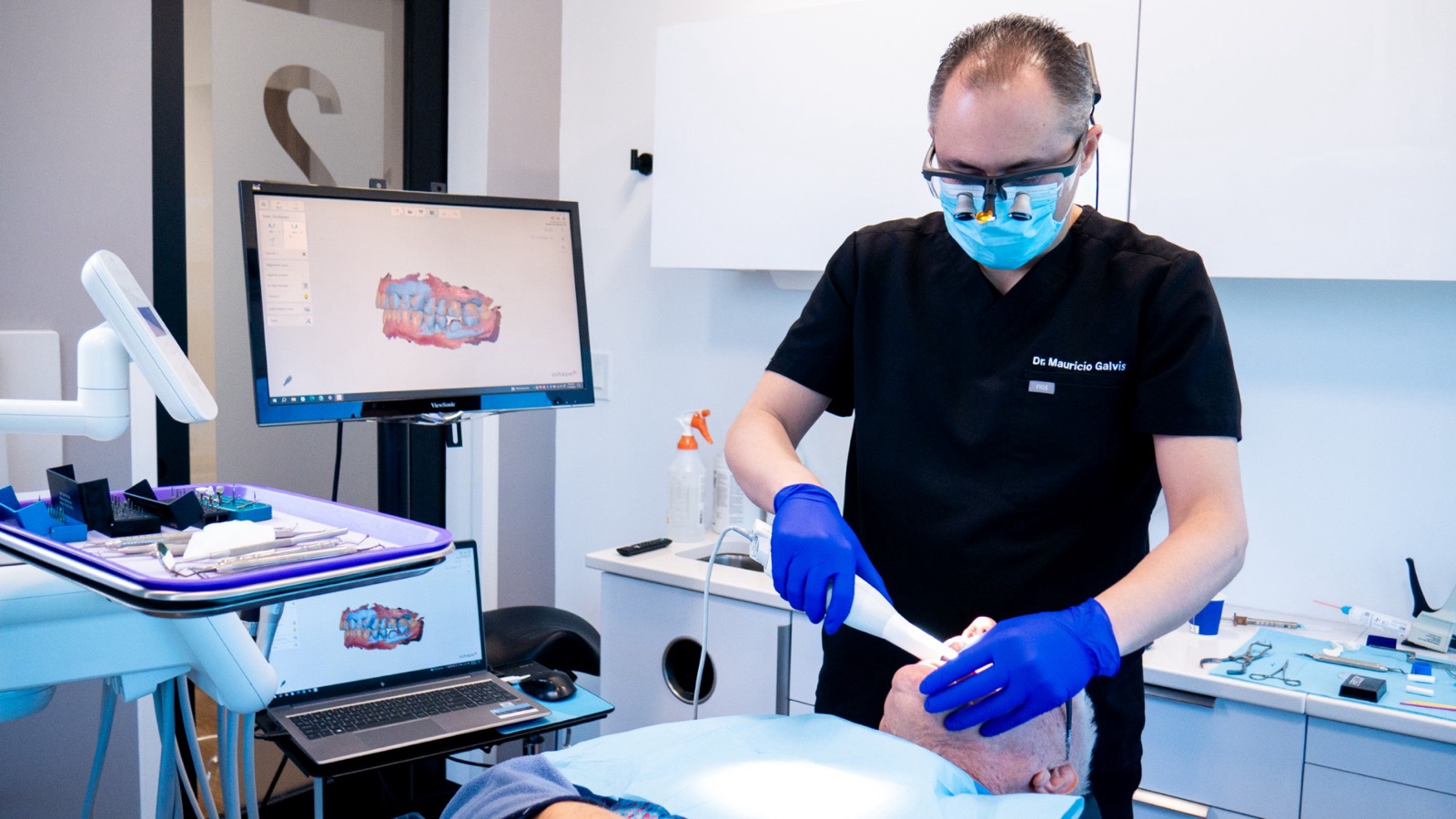
At Clinique Dentaire Pointe-Claire, Dr. Mauricio Galvis provides custom mandibular advancement appliance therapy for appropriately selected patients with obstructive sleep apnea.
Not yet diagnosed? We can assess your signs and symptoms and, when indicated, prescribe a sleep test. The sleep test is interpreted and the diagnosis established by the appropriate medical professional. Dr. Galvis can then collaborate with your physician, sleep specialist or other medical professionals involved in your care to determine the appropriate next steps.
What Is Obstructive Sleep Apnea?
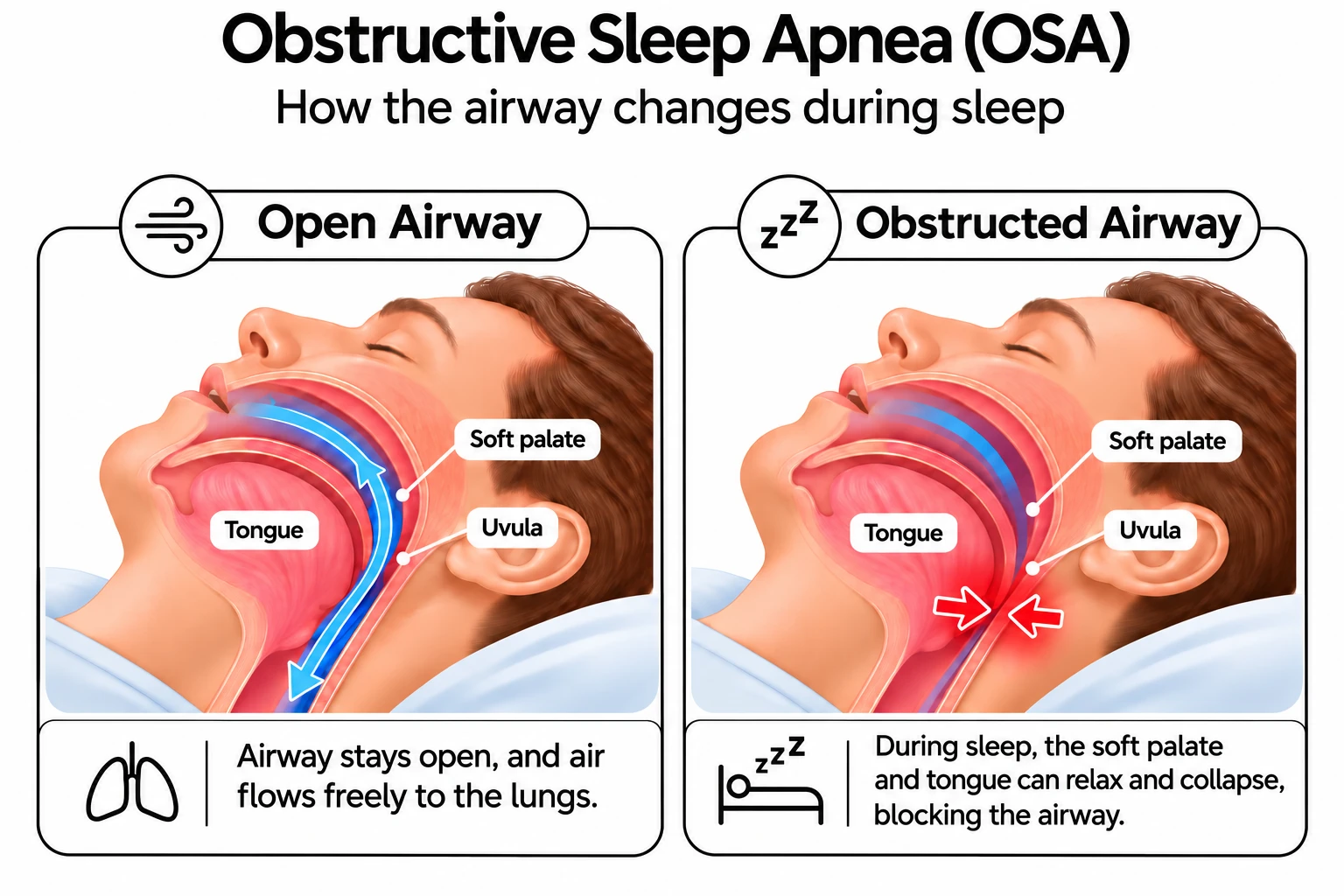
Obstructive sleep apnea (OSA) is a sleep-related breathing disorder in which the airway repeatedly becomes partially or completely blocked during sleep.
When the airway becomes obstructed, breathing can decrease or temporarily stop. These repeated interruptions can fragment normal sleep and affect oxygen levels, often without the person being fully aware that it is happening.
Common Signs and Symptoms of Sleep Apnea
- Loud or frequent snoring
- Pauses in breathing noticed by a partner
- Gasping or choking during sleep
- Frequent waking during the night
- Morning headaches
- Dry mouth upon waking
- Daytime fatigue or sleepiness
- Difficulty concentrating
- Irritability or changes in mood
- Feeling tired despite spending enough time asleep
Because these symptoms can have different causes, proper assessment is important.
Why Is It Important to Treat Sleep Apnea?
Obstructive sleep apnea is more than snoring or a poor night’s sleep. When breathing is repeatedly interrupted during the night, sleep can become fragmented and oxygen levels may repeatedly decrease, placing additional stress on the body.
When left untreated, obstructive sleep apnea has been associated with an increased risk of several health problems, including:
- High blood pressure
- Cardiovascular disease
- Heart rhythm problems
- Stroke
- Type 2 diabetes and metabolic problems
- Excessive daytime sleepiness
- Difficulty with concentration, memory and mood
- Reduced quality of life
Daytime sleepiness associated with untreated sleep apnea can also affect alertness, reaction time and the ability to drive or operate machinery safely.
The severity and health impact of sleep apnea vary from person to person. Because untreated OSA can have consequences beyond sleep quality, appropriate assessment, diagnosis and treatment are important.
Looking Beyond Your Teeth: Recognizing Possible Signs of Sleep Apnea
Your dental visits are also an opportunity to identify oral and anatomical signs that may be associated with sleep-disordered breathing.
During your first visit and regular preventive examinations, our dental team remains attentive to possible signs that could suggest an increased risk of obstructive sleep apnea.
If we identify signs of concern—or if your health history or symptoms suggest that further investigation may be appropriate—we will discuss them with you and determine whether a more thorough sleep apnea assessment is recommended.
When indicated, Dr. Galvis can perform a more detailed assessment and prescribe a sleep test. The results of the sleep test are interpreted by the appropriate medical professional, who establishes the diagnosis. If obstructive sleep apnea is confirmed, we can then collaborate with your medical team to determine whether oral appliance therapy may be appropriate for you.
Is Snoring the Same as Sleep Apnea?
No. Snoring does not necessarily mean that you have obstructive sleep apnea.
Snoring occurs when airflow causes tissues in the upper airway to vibrate during sleep. However, frequent or loud snoring can also be a sign of obstructive sleep apnea, particularly when accompanied by pauses in breathing, gasping, choking or excessive daytime fatigue.
If sleep apnea is suspected, an appropriate assessment can determine whether further investigation or a sleep test is required.
How Is Obstructive Sleep Apnea Diagnosed?
Dentists can play an important role in identifying patients who may be at risk for obstructive sleep apnea, but the diagnosis of obstructive sleep apnea is made by a medical professional.
During a sleep apnea assessment at Clinique Dentaire Pointe-Claire, Dr. Mauricio Galvis can review your health history, symptoms and relevant clinical signs to determine whether further investigation for obstructive sleep apnea may be appropriate.
If signs or symptoms suggest possible OSA, Dr. Galvis can prescribe a sleep test. The results are then interpreted by the appropriate medical professional, such as a respirologist, who can confirm the diagnosis and determine the severity of the condition.
If oral appliance therapy is appropriate, Dr. Galvis can then evaluate whether you are a suitable candidate for a custom mandibular advancement appliance and collaborate with your physician, sleep specialist or other medical professionals involved in your care.
If you have already completed a sleep study and received a diagnosis of obstructive sleep apnea, we encourage you to bring your results to your consultation.
Can a Dentist Prescribe a Sleep Test?
Yes. When signs, symptoms or clinical findings suggest possible obstructive sleep apnea, a dentist can determine that further investigation is appropriate and prescribe a sleep test. The test is interpreted and the diagnosis of obstructive sleep apnea is established by the appropriate medical professional.
What Is a Mandibular Advancement Appliance?
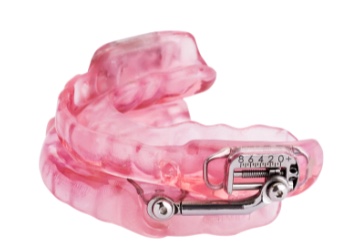
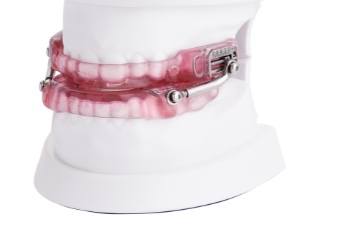
A mandibular advancement appliance is a custom-made oral device worn while sleeping to help maintain an open airway.
The appliance gently holds the lower jaw in a forward position. This can help prevent the tongue and surrounding soft tissues from narrowing or obstructing the airway during sleep.
Although it may resemble a dental nightguard, it serves a very different purpose. A regular nightguard is generally designed to protect the teeth from grinding or clenching, while a mandibular advancement appliance is specifically designed to help manage sleep-related breathing problems.
Finding the Right Oral Appliance for You
There are different types of mandibular advancement appliances, and there is no single appliance that is right for every patient.
At Clinique Dentaire Pointe-Claire, we work with a variety of oral appliance options. Based on your dental health, bite, jaw, comfort, lifestyle and individual treatment needs, Dr. Galvis will guide you in determining the most appropriate option for you.
Our goal is to provide a customized solution that combines effectiveness, comfort and appropriate long-term follow-up as part of your overall sleep apnea care.
Who May Be a Candidate for Oral Appliance Therapy?
Mandibular advancement appliances are commonly considered for adults diagnosed with mild to moderate obstructive sleep apnea. They may also be considered for patients who are unable to tolerate CPAP, depending on their individual circumstances and medical recommendations.
You may be a candidate if you:
- Have been diagnosed with mild to moderate obstructive sleep apnea
- Have difficulty wearing or tolerating CPAP
- Have been recommended oral appliance therapy
- Are looking for an alternative to CPAP when clinically appropriate
- Have adequate dental and periodontal health to support an appliance
Every patient is different. A dental assessment is required to determine whether oral appliance therapy is suitable for you.
Oral Appliance Therapy or CPAP?
CPAP (Continuous Positive Airway Pressure) is an established and highly effective treatment for obstructive sleep apnea. However, some patients have difficulty using it consistently because of the mask, tubing, air pressure, dryness or general discomfort.
For appropriately selected patients, mandibular advancement appliance therapy may provide another treatment option.
Some patients appreciate that an oral appliance is:
- Small and discreet
- Custom fitted
- Quiet
- Easy to transport
- Convenient for travel
- Used without a mask or tubing
- Used without electricity
An oral appliance is not an appropriate replacement for CPAP for every patient. The best treatment depends on the severity of your sleep apnea, your medical history, your ability to tolerate different therapies and the recommendations of the healthcare professionals involved in your care.
Do not discontinue prescribed CPAP therapy without discussing it with your physician or sleep-care provider.
Our Approach to Sleep Apnea Care
Treatment of obstructive sleep apnea with a mandibular advancement appliance requires appropriate training and a coordinated approach to care.
At Clinique Dentaire Pointe-Claire, Dr. Mauricio Galvis has completed additional training in obstructive sleep apnea and mandibular advancement appliance therapy, including training at McGill University.
Dr. Galvis will collaborate with your physician, sleep specialist or other medical professionals involved in your care to help ensure that treatment is appropriately coordinated.
When oral appliance therapy is considered appropriate, Dr. Galvis will evaluate your dental health, teeth, gums, bite and jaw to determine whether you are a suitable candidate for a mandibular advancement appliance.
What to Expect During Treatment
1. Consultation and Dental Assessment
We begin by reviewing your sleep apnea diagnosis, symptoms, health information and previous experience with CPAP, when applicable. Dr. Galvis will assess your teeth, gums, bite, jaw and oral structures and determine the appropriate next steps.
2. Sleep Testing, When Necessary
If you have not yet been diagnosed and your assessment identifies signs that warrant further investigation, Dr. Galvis can prescribe a sleep test. The test is interpreted by the appropriate medical professional, who establishes the diagnosis and severity of obstructive sleep apnea.
3. Custom Oral Appliance
If oral appliance therapy is appropriate, the necessary dental records and digital impressions are obtained. Dr. Galvis will guide you in selecting an appliance option based on your individual dental and treatment needs.
4. Appliance Delivery, Adjustment and Follow-Up
Once your appliance is ready, we verify its fit and provide instructions for use and care. The appliance can then be progressively adjusted to find an appropriate jaw position while maintaining comfort. Follow-up visits allow us to monitor the appliance, your teeth, gums, bite and jaw and make adjustments when necessary.
5. Medical Follow-Up
Your physician, sleep specialist or other medical professional may recommend follow-up sleep testing to objectively evaluate how effectively the appliance is controlling your obstructive sleep apnea. Reduced snoring or feeling better can be encouraging, but these changes alone do not necessarily confirm that OSA is adequately controlled.
Are There Side Effects?
As with any treatment, mandibular advancement appliances can have side effects.
Some patients may initially experience increased salivation or dry mouth, tooth sensitivity, muscle or jaw discomfort, or temporary changes in the way the bite feels upon waking. Changes in tooth position or bite may also occur over time in some patients.
Regular dental follow-up is therefore an important part of oral appliance therapy. It allows us to monitor your teeth, gums, jaw, bite and appliance and address changes when necessary.
Are Sleep Apnea Oral Appliances Covered by Insurance?
Oral appliances for obstructive sleep apnea are often covered by private insurance plans. Coverage varies depending on your individual policy.
At Clinique Dentaire Pointe-Claire, our team can help you complete the necessary paperwork and provide the supporting documentation required for your insurance submission.
We recommend confirming the details of your coverage directly with your insurance provider.
Frequently Asked Questions About Sleep Apnea
Can an oral appliance replace my CPAP?
For some appropriately selected patients, a mandibular advancement appliance may be an alternative to CPAP. This is particularly relevant for certain patients with mild to moderate obstructive sleep apnea or patients who cannot tolerate CPAP. The appropriate treatment depends on your individual diagnosis and medical circumstances. Do not discontinue prescribed CPAP therapy without consulting the healthcare professional responsible for your sleep apnea care.
Can untreated sleep apnea be dangerous?
Obstructive sleep apnea can have effects that extend beyond snoring and fatigue. Untreated OSA has been associated with cardiovascular and metabolic health problems, as well as impaired concentration, mood and daytime alertness. Excessive daytime sleepiness may also increase the risk of accidents, particularly while driving. Appropriate assessment can determine whether a sleep test is necessary and, if OSA is confirmed, which treatment options are appropriate.
Can my dentist prescribe a sleep test?
Yes. When signs, symptoms or clinical findings suggest possible obstructive sleep apnea, a dentist can determine that further investigation is appropriate and prescribe a sleep test. The test is interpreted and the diagnosis is established by the appropriate medical professional.
Does a mandibular advancement appliance help with snoring?
It can. By advancing the lower jaw and helping maintain an open airway, an oral appliance may reduce snoring in appropriately selected patients. Because snoring can be a sign of obstructive sleep apnea, persistent or significant snoring should be appropriately evaluated rather than treated only as a noise problem.
Do I need a sleep study before getting an oral appliance?
If obstructive sleep apnea is suspected, a sleep test may be required to establish the diagnosis and severity of the condition. If you have already completed a sleep study, bring the available results to your consultation.
Is a sleep apnea appliance the same as a nightguard?
No. A regular nightguard is primarily designed to protect teeth from grinding or clenching. A mandibular advancement appliance is specifically designed to position the lower jaw forward to help maintain an open airway during sleep.
Is an oral appliance comfortable?
There is usually an adaptation period. Because the appliance is customized to your mouth and can be progressively adjusted, we can work with you during follow-up appointments to optimize fit and comfort.
How do I know if my oral appliance is working?
Feeling better or snoring less can be encouraging, but these changes alone do not necessarily confirm that obstructive sleep apnea is adequately controlled. Follow-up sleep testing may be recommended by the medical professional involved in your care to objectively assess treatment effectiveness.
Are sleep apnea oral appliances covered by insurance?
Oral appliances for obstructive sleep apnea are often covered by private insurance plans, although coverage varies by policy. Our team can help you complete the necessary paperwork and provide supporting documentation for your insurance submission.
Already Diagnosed With Sleep Apnea?
If you have been diagnosed with mild to moderate obstructive sleep apnea, have been recommended oral appliance therapy, or are having difficulty tolerating CPAP, we can help you determine whether a custom mandibular advancement appliance may be appropriate for you.
At Clinique Dentaire Pointe-Claire, Dr. Mauricio Galvis provides mandibular advancement appliance therapy as part of a collaborative approach involving your physician, sleep specialist or other healthcare professionals when appropriate.
Our clinic welcomes patients from Pointe-Claire and throughout Montreal’s West Island, including Dorval, Beaconsfield, Kirkland, Dollard-des-Ormeaux, Pierrefonds, Baie-d’Urfé and surrounding communities.
Our team can assist you in English, French and Spanish.