Clinique Dentaire Pointe Claire

Dental technician working
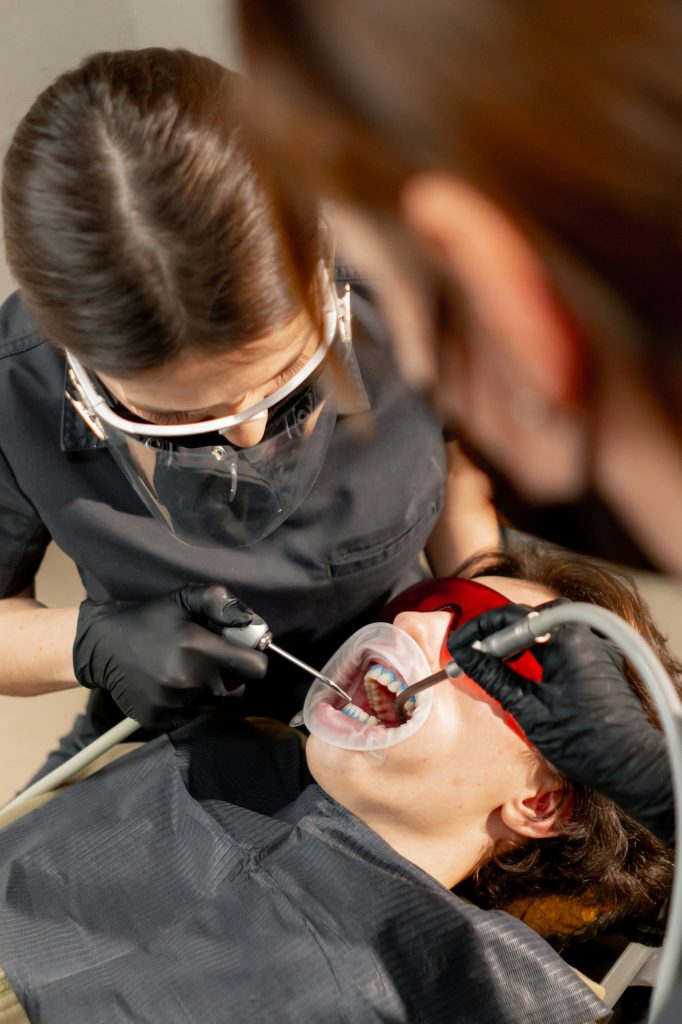
dental office girl dentist applies protective gel to the gums of young guy

What is a Teeth Bone Graft?

A teeth bone graft is a surgical procedure that aims to replace or augment the bone surrounding the teeth. This procedure is often necessary for patients who have experienced bone loss due to periodontal disease, trauma, or tooth loss. Bone grafts can help restore the structure and function of the jawbone, making it possible to receive dental implants and improving overall oral health.

Why Do You Need a Bone Graft?

Bone grafts are typically required in the following scenarios:

Dental Implants

If you’re considering dental implants but lack sufficient bone density in your jaw, a bone graft can provide a solid foundation for the implants.

Periodontal Disease

Advanced gum disease can lead to bone loss around the teeth. A bone graft can help regenerate lost bone and support the remaining teeth.

Trauma or Injury

Accidents that damage the jawbone can be repaired with bone grafts.

Developmental Defects

Some patients may have natural deficiencies in their jawbone that can be corrected with grafting.

Types of Bone Grafts

Autografts

Bone taken from another part of your body, such as the hip or another area of the jaw.

Allografts

Bone sourced from a donor or a bone bank.

Xenografts

Bone derived from animals, usually cows.

Alloplastic Grafts

Synthetic bone substitutes made from materials like calcium phosphate.

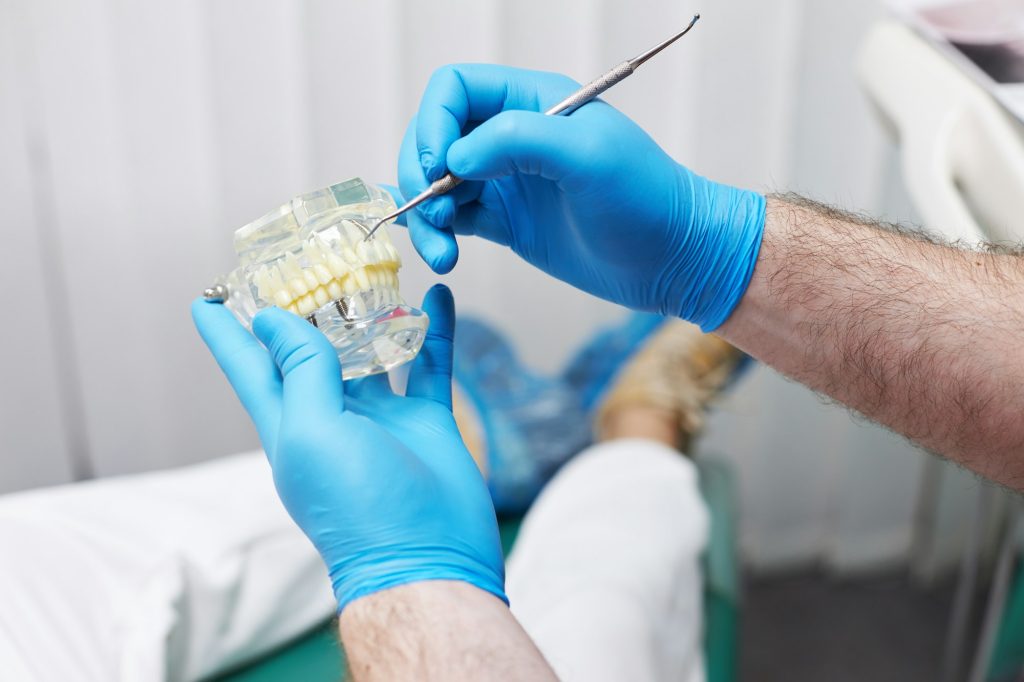
Dentist holds a plastic model of human jaw bone while explaining the dental treatment to a patient

The Bone Grafting Procedure

01.

Consultation and Planning

Your dentist or oral surgeon will evaluate your oral health, take X-rays or CT scans, and discuss your treatment options.

02.

Anesthesia

The area will be numbed with local anesthesia, and sedation options may be available for your comfort.

03.

Graft Placement

An incision is made in the gum tissue to expose the bone. The graft material is placed at the site and secured.

04.

Healing

The gum tissue is stitched back into place, and the healing process begins. Over several months, the graft will integrate with your existing bone.

Recovery and Aftercare

Post-surgery, you can expect some swelling, bruising, and discomfort, which can be managed with prescribed medications. Follow your dentist’s instructions for aftercare, which may include:
Post-Treatment Care in Aesthetic Clinic with Professional Massaging
Dentist in dental clinic

Benefits of Bone Grafting

Woman dentist shows on the layout how to brush your teeth

Improved Stability for Implants

Provides a strong foundation for dental implants.

Enhanced Oral Health

Supports the remaining teeth and helps prevent further bone loss.

Restored Facial Structure

Maintains the natural contours of your face by preventing jawbone deterioration.

Increased Confidence

Enables you to restore your smile with implants, leading to improved self-esteem and oral function.

Are your wisdom teeth causing you pain or discomfort? Only the dentist can accurately diagnose if you need to have them extracted. Book an appointment for a consultation at Clinique dentaire Pointe-Claire.

Scroll to Top